

The Creative Athlete: What Makers Can Steal From The Pros
Present Principle: On self-talk, resetting, and staying tenacious

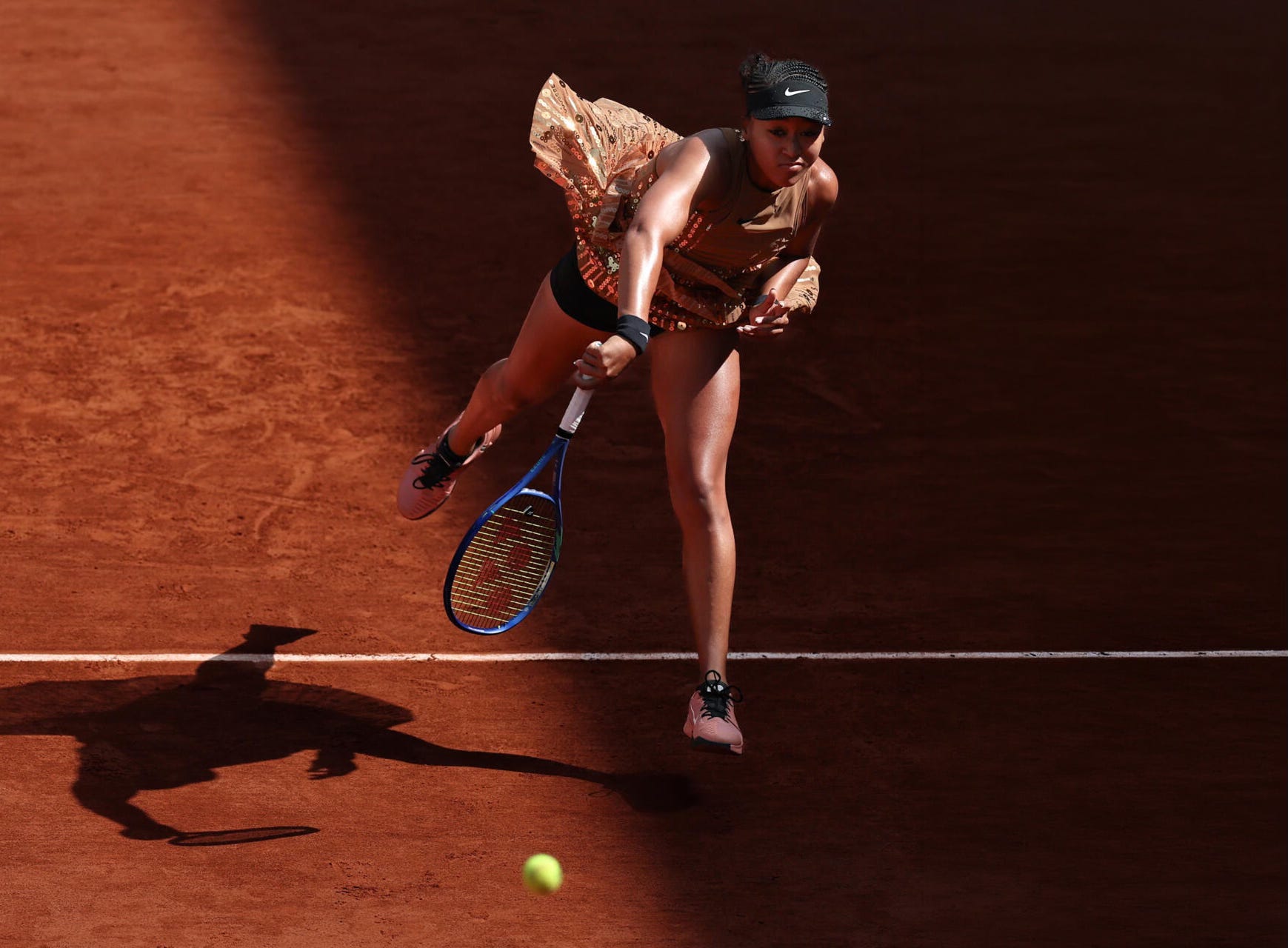
Last week I stood courtside at Roland Garros, the grand slam in Paris, close enough to hear the players breathe. It was my first time watching tennis live, and it gave me more goosebumps and thoughts than I expected.
You can walk around dozens of courts there, matches happening in parallel, and you get super close to the action. The tennis is gripping and intense. But the thing I couldn't stop noticing was the talking. The way these players spoke to themselves between points. Pushing, scolding, encouraging, resetting. Coming back from situations that looked already lost. It was a mind game playing out in real time, right in front of me.
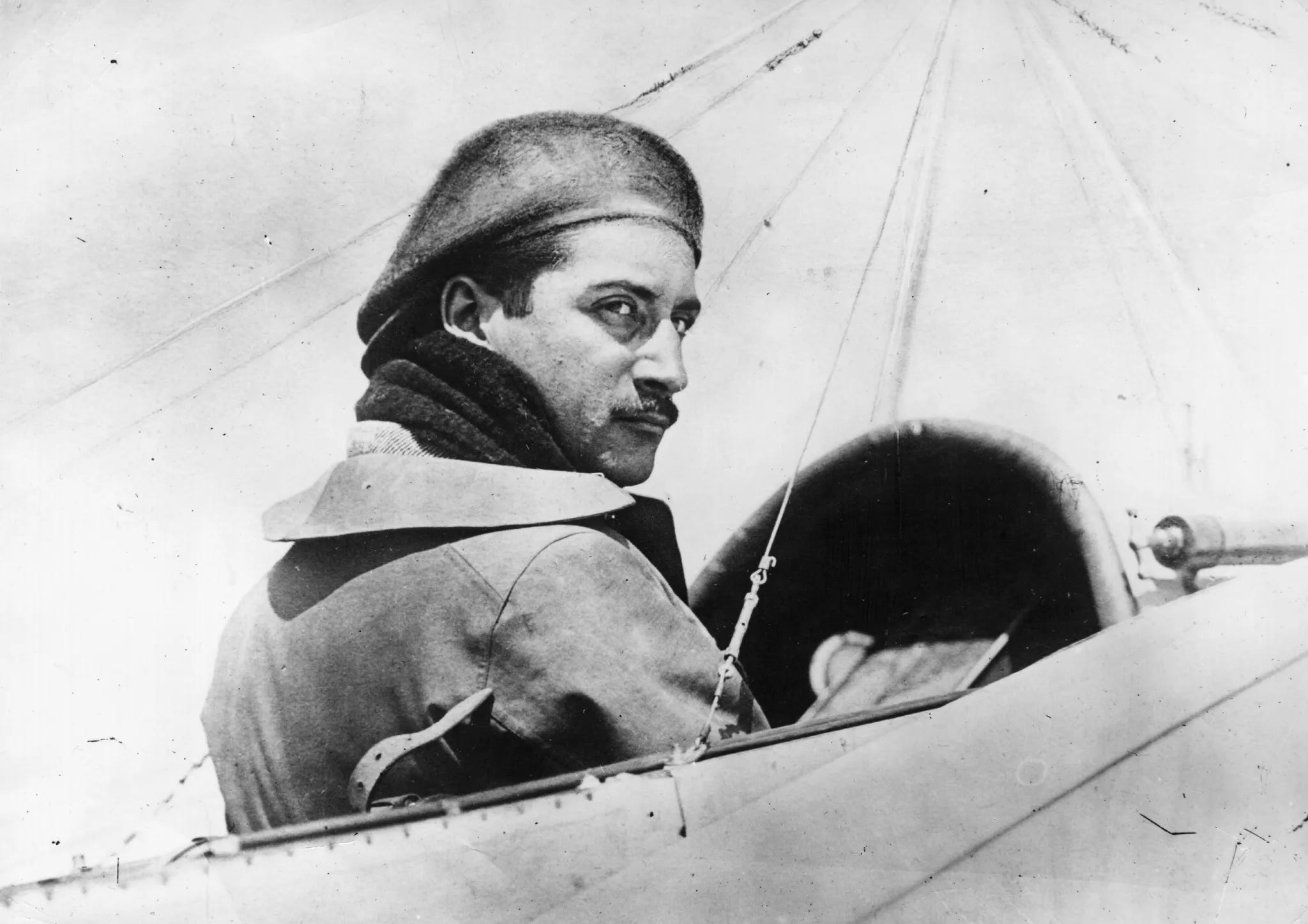
There’s a quote printed huge inside the main stadium: Victory belongs to the most tenacious. It belonged to Roland Garros, the aviator the place is named after, who carved it into the propellers of his airplane.

Watching all this, I thought of something I’d been circling for years, close to my heart.
I grew up with sports. Always loved all kinds. As a kid in Cologne I started with football, in parallel to basketball, table tennis, karate, and aikido. For many years I played football in a club and I wanted to become a pro. Chasing that dream taught me lessons I’ve carried my whole life.
Sport has this clarity. Win or lose. You practice, you get better. It’s tangible. The feedback is immediate and honest. You miss the shot or you make it. You win the point or you lose it. There’s no hiding, and there’s no faking, and I find something clarifying about that.
I’ve always looked up to athletes. They live inside a system that rewards the thing I believe in as a creative: showing up, doing the reps, staying tenacious, staying optimistic even in defeat.
And standing there, I realised our creative practice rarely feels like that. It feels foggy. Hard to measure. Did I get better this month? Did the work pay off? Unclear. There’s no scoreboard for making things, so we never quite know. And that fog is where the doubt grows.
I think it comes down to how they talk to themselves while doing the work. The tennis player who claws back from 0-40 down isn’t suddenly stronger or more skilled in that moment. Something in how they speak to themselves keeps them in it.
Then there’s what happens after a lost point. The best players have this almost violent ability to let it go. Point lost, slate wiped, back to the baseline, ready. No dwelling. No dragging it into the next one.
Federer once said he won only 54% of the points in his whole career. Barely more than half. His trick was never holding on to any single one. While you play the point, it’s the most important thing in the world. The moment it’s over, it’s gone.
It reminded me of meditation practice. The goal isn’t to “not think” (that’s physically impossible anyway). The practice is to become aware of your thoughts. To see your thoughts clearly, being able to label them. The skill is to notice when you are lost in thought and simply coming back. Without the story about how you shouldn’t have drifted. A lost point is just a thought you notice and release. Simply begin again.
This is my favourite thing to steal from sport. You know one of my mantras I keep close: let’s make better mistakes tomorrow. A new point, a new day, a new try. The last point is gone. Reset, move forward. “Ever tried. Ever failed. No matter. Try again. Fail again. Fail better.”
Victory belongs to the most tenacious.
So treat your creative craft like training. A bad day at the desk is just a bad training day. It doesn’t mean you're a fraud. And when the work gets hard, talk to yourself the way a great coach would talk to a player. Not “you’re failing.” But “you’re in the game, you’re in the arena. Keep going, this is the part that counts.”
The Resistance shows up the same way for the athlete and the maker. The voice that says stop, you’re not good enough, today doesn’t matter. The athlete has learned to talk back to that voice out loud, between points, in front of thousands of people. The maker mostly just believes it, quietly, alone at the desk.
This is why I keep saying Present is a Support System for Makers. Athletes have entire systems built around their tenacity. Coaches, teammates, rituals, mantras printed on stadium walls. Makers are mostly expected to find it alone. I don’t think we should have to.
Let’s be Creative Athletes. Let’s treat our practice like the sport it is. Have a support system. Show up for training. Talk to yourself like someone who believes in you. And when it gets hard, when the Resistance gets loud, remember you don’t have to feel ready.
You just have to be the most tenacious person on the court today.
Ask yourself what would change if you trained your craft like an athlete.
Some positive self-talk for Modern Makers:
I already have everything it takes.
I have mastered challenges before.
I understand that my doubts are just Resistance trying to stop me.
I can absolutely do this.
I only need to get myself started.
I will accept the temporary discomfort of starting.
I know everything I want is on the other side of fear.
I resist the urge to worry about the future.
I focus on the now and leave the rest to fate.
I’m not alone.
This is part of the upcoming framework and book I’m writing to help as many people as possible. It’s called Stop Postponing Yourself: Do The Thing. A Modern Maker Manifesto and is now available for pre-ordering. There are still a few spots left for the Early Bird Offer that comes with special perks and helps me build this.
If you want to join a supportive group of 264 makers from all around the world, check out our Present Space. We are meeting in the Consistency Club every two weeks to talk about the bliss and struggles of getting closer to our Favorite Unrealized Projects.